
PCB Assembly ServiceFrom prototype
to production.
Turnkey, consigned and mixed-technology builds. Get the files, components and process right before your board reaches the line.
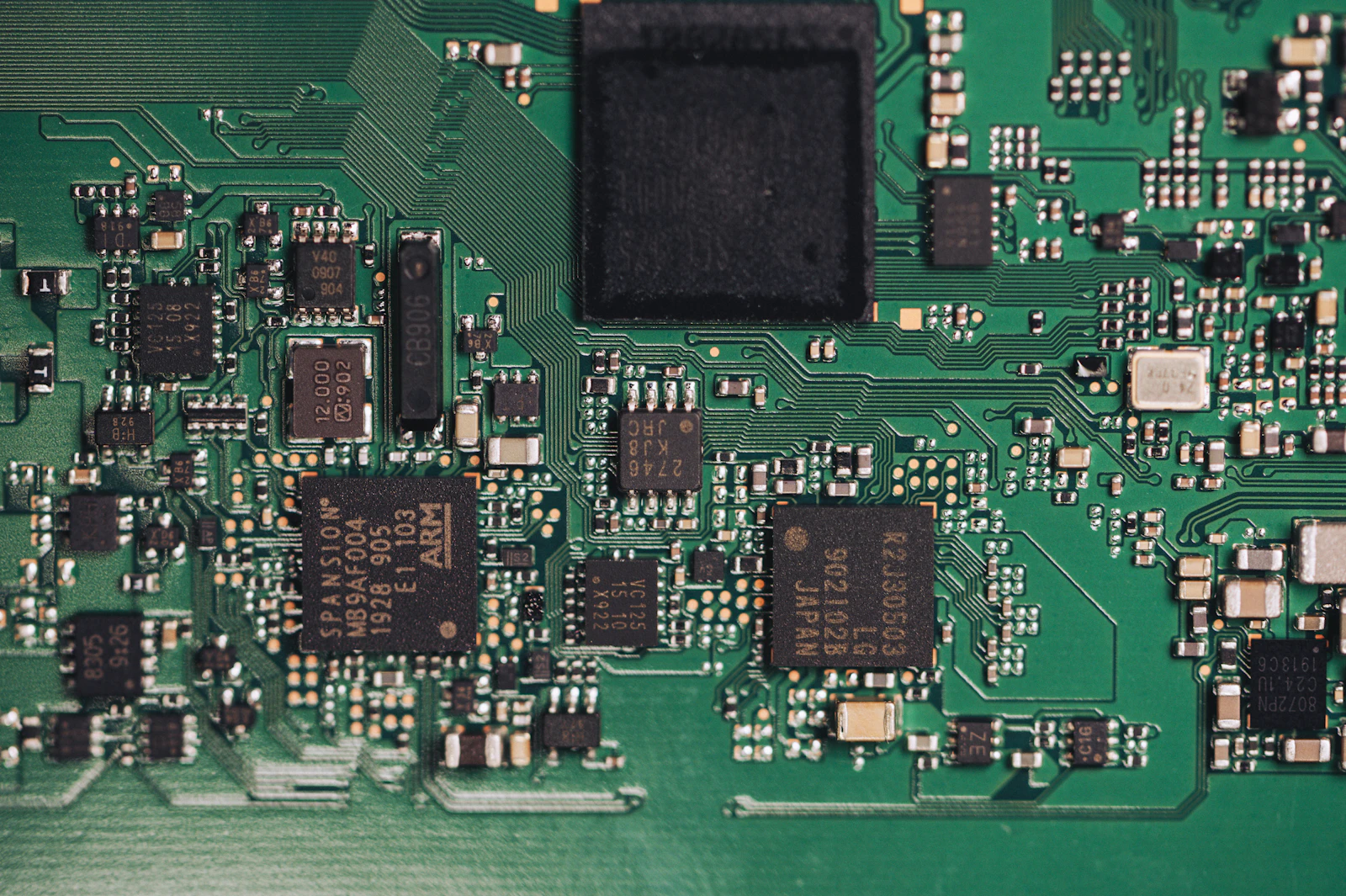
More than placing parts.
A complete assembly plan.
A PCB assembly service mounts and solders components onto a bare circuit board. A complete build may also include parts sourcing, inspection, programming and electrical testing.
Start with the files and a clear scope. Decide who supplies the components, what needs testing and what the finished board must do.
Understand the assembly processA process for every build stage.
Turnkey PCB Assembly
One coordinated build, from component purchasing to assembled boards.
Complete sourcing02 / ASSEMBLYPrototype PCB Assembly
Prepare a small build for bring-up, measurement and design changes.
Design validation03 / ASSEMBLYQuick-Turn PCB Assembly
Identify the file, material and approval decisions that control delivery.
Schedule planning04 / ASSEMBLYSMT Assembly
Review placement, solder paste, reflow and inspection requirements.
Surface mount05 / ASSEMBLYThrough-Hole Assembly
Plan leaded components, connector support and mixed-process sequencing.
Through-hole & mixed06 / ASSEMBLYBGA & Fine-Pitch Assembly
Address footprint, thermal and hidden-joint inspection needs early.
Hidden-joint devicesKeep every handoff clear.
A documented process connects your design intent to the board that arrives at your bench.
Files & requirements
Share your board files, BOM, placement data and build quantities.
Engineering review
Resolve file questions, component availability and process constraints.
Quote & schedule
Agree on the scope, purchasing responsibilities and milestones.
Build & inspect
Assemble the board and inspect against the agreed requirements.
Test & deliver
Complete the specified tests, then pack and ship the finished boards.
Who supplies
the components?
Your sourcing model should reflect the parts you already hold, the control you need and the time your team can spend on procurement.
Plan a turnkey build| Supply model | Who buys the parts? | Best starting point |
|---|---|---|
| Turnkey | The assembler | A coordinated purchasing and assembly order. |
| Partial turnkey | You and the assembler | You hold critical parts; the assembler sources the rest. |
| Consigned | You | You already control the component inventory. |
When comparing sourcing models, review how a prototype-to-production assembly workflow handles purchasing, material checks and final test.
Match the process
to your board.
Package size alone does not tell the whole story. Review the board construction, component mix and test requirements together.
Compare SMT, BGA and through-hole assembly capabilities against the specific requirements in your release files.
View the capability checklistLess guesswork.
Cleaner files.
Build around the product.
Useful before you order.
What to send with your assembly RFQ
A practical checklist for Gerbers, BOM, placement data and assembly drawings.
PROCUREMENTWhat actually drives assembly cost?
Separate setup, parts, placement and testing before comparing quotations.
QUALITY & TESTInspection is not the same as testing
Understand where AOI, X-ray and electrical tests fit in your build.
Start with
the essentials.
From the first file export to the final test requirements.
Ask about your projectWhat is a PCB assembly service?
It is the process of mounting and soldering electronic components onto a bare printed circuit board. Depending on the order, the scope can include component sourcing, inspection, electrical testing and shipment.
What files do I need for a quote?
Prepare Gerber and drill files, a BOM with manufacturer part numbers, placement data and an assembly drawing. Include the quantities, target delivery and test requirements. See the assembly file checklist.
What is the difference between turnkey and consigned assembly?
For turnkey assembly, the assembler purchases the components. For consigned assembly, you supply them. Partial turnkey splits that responsibility between both parties.
How long does assembly take?
Lead time depends on file approval, material availability, fabrication, assembly and testing. Ask which event starts the quoted lead time and whether transit time is included.
Can SMT and through-hole parts share the same board?
Yes. A mixed-technology build combines surface-mount and through-hole processes. The assembler should review the sequence, component access and thermal constraints.
Do I need to order bare PCBs separately?
You can purchase fabrication separately or include it in a coordinated order. In either case, the bare boards must match the approved stackup, finish, panel and assembly requirements.
How can I reduce assembly cost?
Resolve BOM ambiguity, review DFM early and specify the required test scope. Compare setup costs separately from recurring costs, and request quotations at quantities that match your purchasing plan.
Is there a minimum order quantity?
Minimum quantities depend on the assembler, process and component purchasing constraints. State your actual quantity and ask for any minimum purchase or material overage to be itemized.
A clear brief.
A better starting point.
Tell us what you’re building, how many boards you need and where you are in the process.
Have your files ready?
Get a QuoteOr email [email protected]